The South Coast in Winter 2026-2027: Best Month and What to Expect
Winter swaps daylight for something the summer crowds never see: snow on the falls, ice on the paths, and the odd green flare in the sky on the drive home.
 Written with Björn Einarsson, Iceland South Coast tour guide and local specialist
Short answer
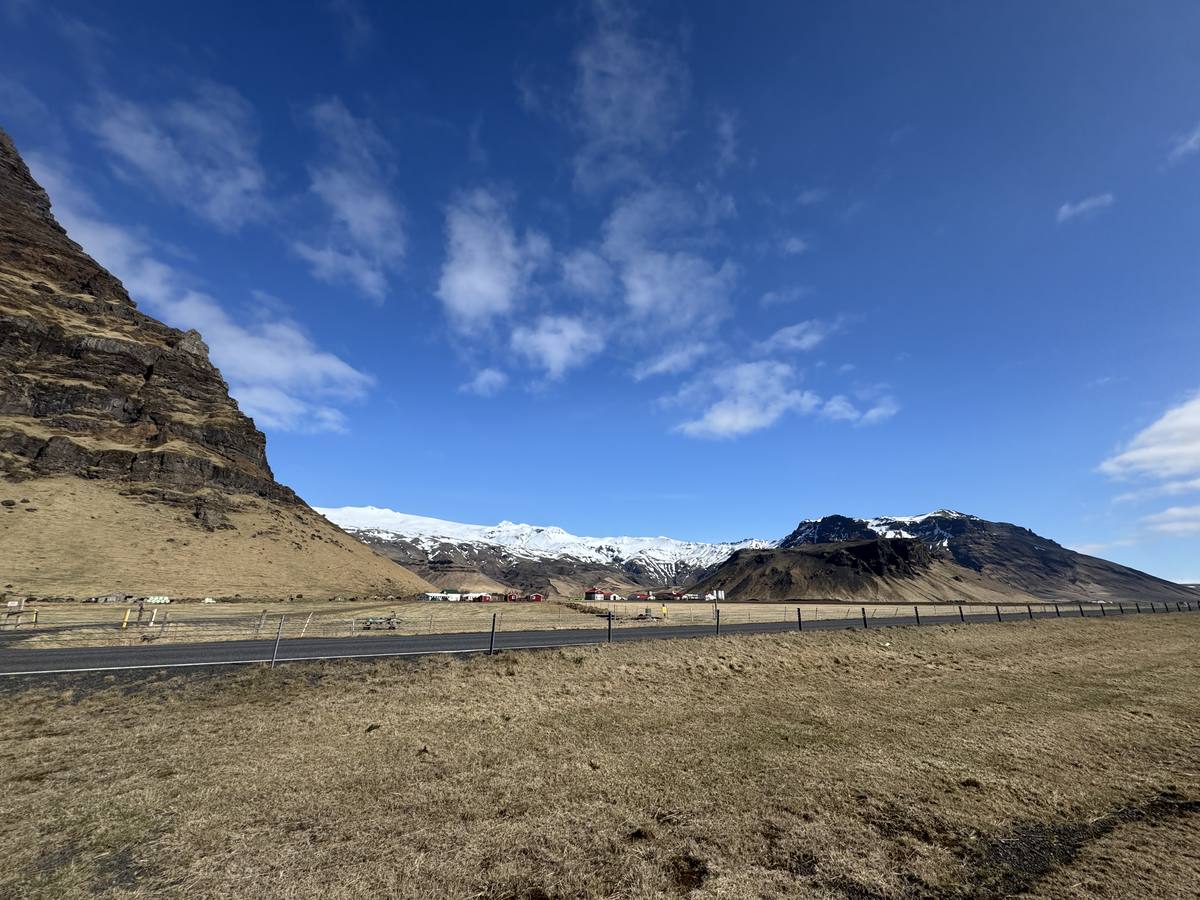
The South Coast day trip runs year-round. Winter trades daylight for snow on the waterfalls and a real chance of the aurora after a late departure, but the Ring Road can ice over, which is exactly when letting a local drive earns its keep. The hardest window is roughly late October into November: short days, frequent storms, and little aurora or fresh snow payoff yet.
Before you read on
The winter version of the small-group day runs through the whole season, and the booking area at the end carries its dates plus the winter add-ons. See the booking options ↓
Snow changes the sound of Skógafoss before it changes the look of it. The spray freezes on the black rock beside the drop, the crowd thins to a handful, and the whole valley goes quiet in a way it never does in July. Winter on the South Coast is a different trip from the postcard version, and knowing what each month actually feels like is the difference between a great day and a cold, dark disappointment.
Does the South Coast tour run in winter?
Yes. The featured small-group day trip runs through the whole winter, on the same Route 1 out to Vík that it follows in summer. What changes is the light, the road, and the risk. You get a chance at things summer visitors never see, and you take on conditions summer visitors never face. The tour still visits Seljalandsfoss, Skógafoss, the Sólheimajökull glacier viewpoint, Reynisfjara, and Vík, weather permitting, and a good guide reshuffles the order around whatever the sky is doing that day.
Month by month: what winter actually feels like
The season is not one thing. It shifts week to week, and the trade-offs move with it.
- December and January give you the shortest days of all, often only four to five hours of usable daylight around the solstice. That sounds brutal, and it is tight, but low winter sun means the light is soft and golden for most of the hours you do get. This is peak aurora season, and a full-day tour that drops you back after dark gives the northern lights a real chance on a clear night.
- February and early March are the sweet spot for many. Daylight is stretching back out, snow still sits on the falls and the mountains, and the aurora is still very much in play. You get more hours at each stop without giving up the winter drama. Winter is also the only season for natural ice caves: the Katla cave near Vík runs guided trips through the cold months, and you can check the ice cave tour and its dates here.
- Late October into November is the honest weak spot. The days have already shortened hard, the North Atlantic storms roll through often, and yet the deep snow that makes the waterfalls magical has not always settled in. The aurora is possible but the frequent cloud works against you. If you can move your dates, this is the window to move away from.
Why winter is the strongest case for a guided day
In summer, self-driving the South Coast is a reasonable call. In winter it is a different proposition. The same 187 km each way to Vík can take noticeably longer when the Ring Road ices over, when a squall drops visibility, or when wind gusts shove a car around on an exposed stretch. Icelandic road closures happen fast and they happen often.
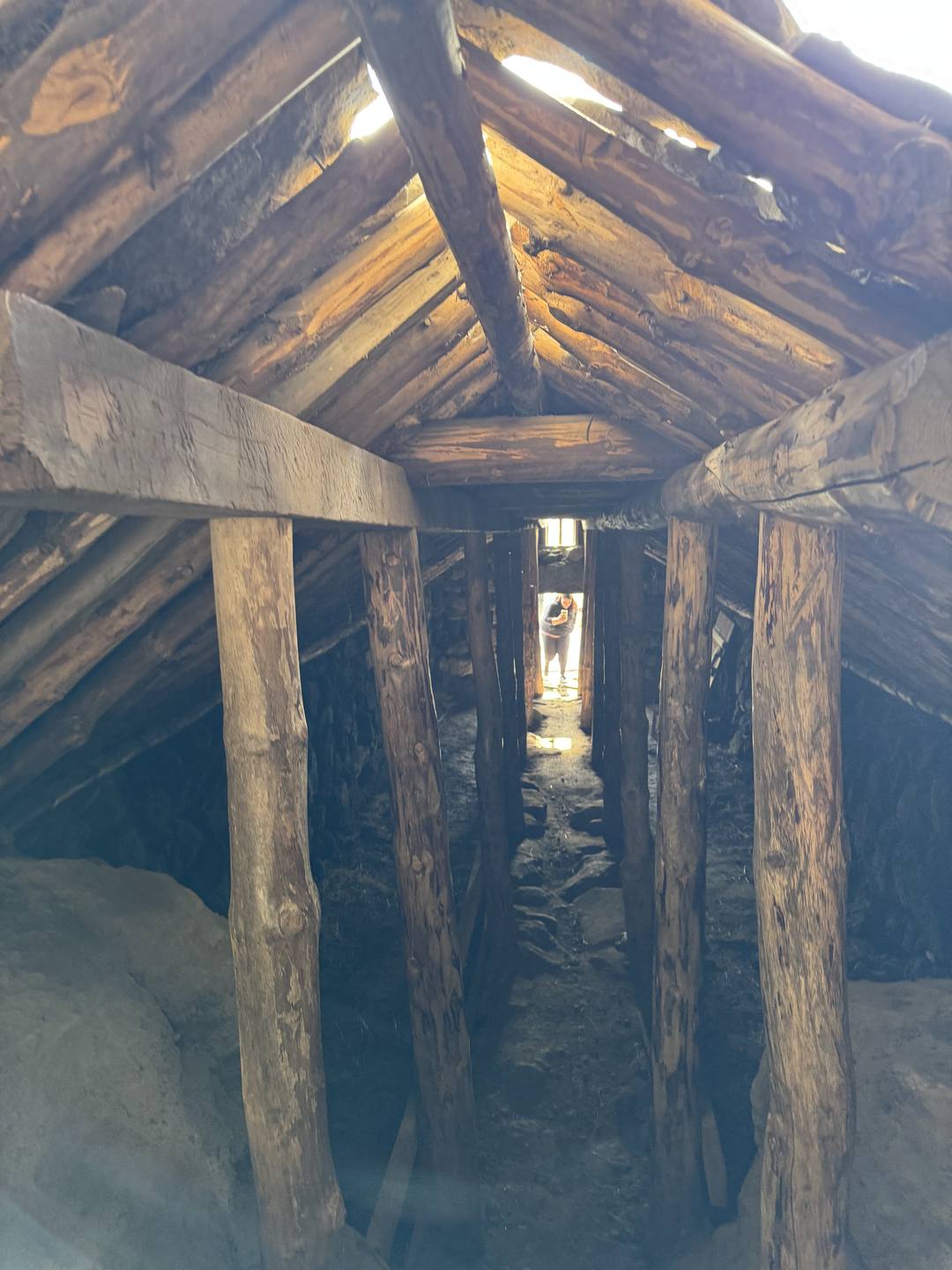
A driver who runs this route weekly reads the forecast, the road cameras, and the sky in ways a first-time visitor simply cannot. That is the core of the tour versus self-drive question, and winter tips it hard toward the tour. On the featured small-group winter day trip you sit in a heated Mercedes-Benz Sprinter while someone else watches the ice, and the guide can pivot the itinerary the moment one stop clouds over and another clears. If your one shot at the South Coast lands in January, handing over the wheel is the single biggest thing you can do to protect it. You can check the live winter dates and price on Viator and see the after-dark drop-off time for yourself.
Convinced? Pick your winter date from the scheduled departures
Scheduled departure dates from the operator's Viator calendar. Availability for your date and the final price are confirmed on the listing.
Check Live Availability & Prices →The departure calendar could not load just now. Check dates and prices directly on the listing:
Check Dates & Prices on Viator →What changes at each stop when it freezes
The stops you would recognize from summer photos look and behave differently once the temperature drops.
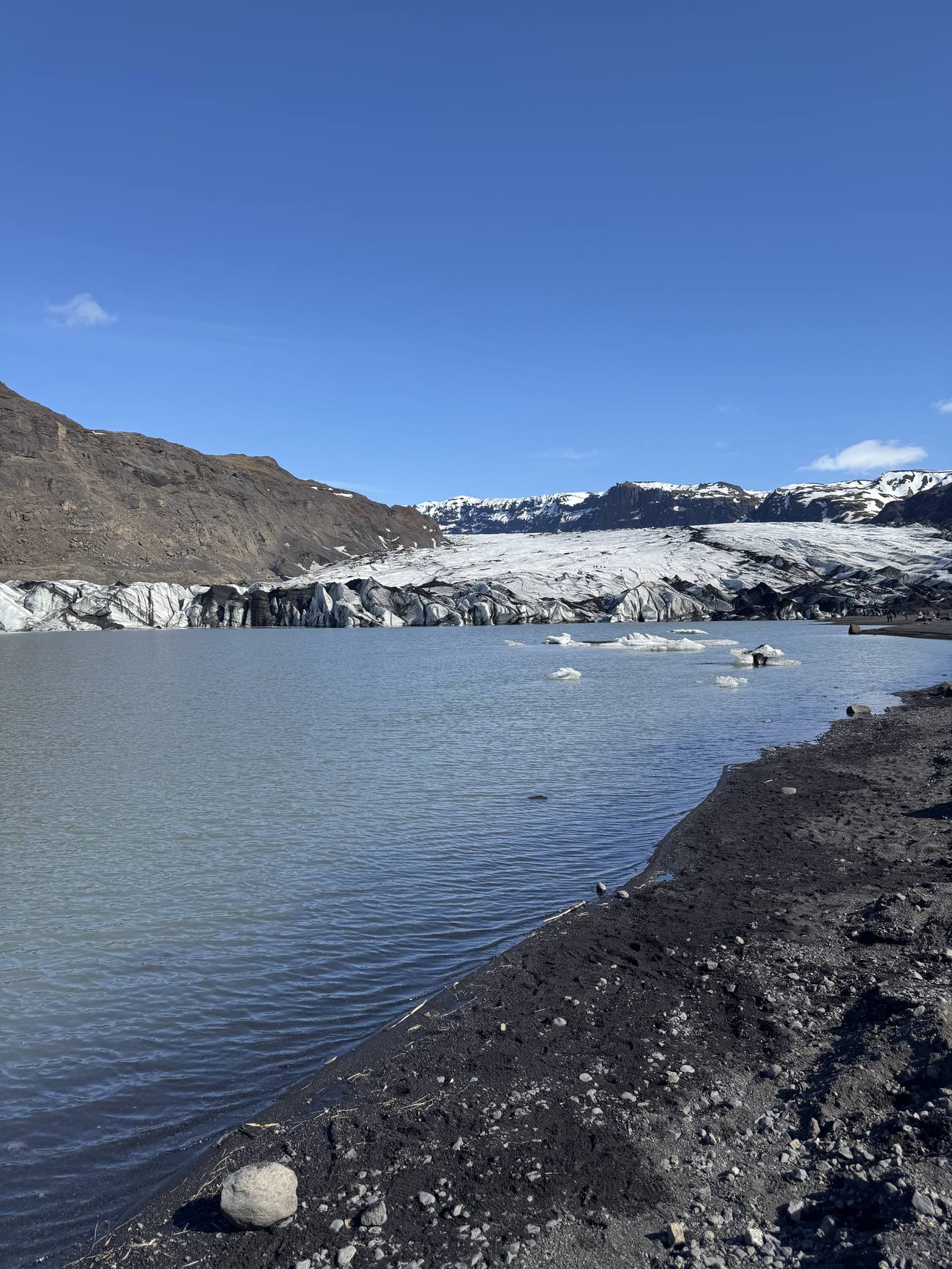
At Seljalandsfoss, the path that loops behind the water often ices over or closes outright in winter, because the frozen spray turns the walkway treacherous. You can still admire the falls head-on, but do not count on getting behind them. At Skógafoss, the staircase to the top viewpoint gets slick, and the base of the 60-metre curtain gathers walls of frozen mist that are worth the trip on their own. The Sólheimajökull glacier tongue looks starkest of all against snow, though the short approach path can be icy underfoot.
Reynisfjara demands the most care. The black sand can be frozen hard or wind-scoured, and the sneaker waves that make this beach genuinely dangerous do not take the winter off. Stay well back from the water, keep your footing on frozen basalt, and never turn your back on the sea. Vík gives you the red-roofed church under snow and a warm lunch stop where you buy your own food.
What to pack that summer visitors skip
Winter footing is the thing people underestimate. Add slip-on traction spikes for your boots, because every icy staircase and glacier path becomes a hazard without them. Layer warmer than you think: a proper insulated coat, a windproof shell, thermal base layers, a hat that covers your ears, and waterproof gloves. Our full what to wear on the South Coast guide breaks the layering down, and winter simply pushes every recommendation a notch heavier.
The honest safety picture
Weather runs the show in Iceland from November to March, and the operator will cancel a departure when conditions turn genuinely dangerous. That is a feature, not a flaw. Free cancellation up to 24 hours before your date gives you room to plan around a bad forecast. Before any winter drive, whether you tour or self-drive, check road.is for live road conditions and safetravel.is for weather alerts and travel advice. A cancelled day beats a dangerous one, and a local guide is the person best placed to make that call for you.
Which winter month is best, scored side by side?
February and early March score highest overall: enough returning daylight to enjoy each stop, snow still packed on the falls, and the aurora still in strong play. December and January win on pure northern-lights odds but cost you hours of light. Late October into November is the one window to move away from.
No winter month is bad, but they are not equal, and the trade-offs move week to week. The table below scores each on the four things winter visitors actually ask about. Read it as one guide's qualitative read of the season, not a forecast.
| Month | Daylight | Aurora odds | Snow on the falls | Crowds |
|---|---|---|---|---|
| November | Dropping fast, short | Fair, cloud often wins | Patchy, not yet settled | Light |
| December | Shortest, ~4-5 h at solstice | Peak season | Building | Holiday spike late month |
| January | Very short, slowly lengthening | Peak season | Usually solid | Quiet after New Year |
| February | Stretching back noticeably | Strong | Deep and photogenic | Moderate |
| Early March | Longest of the winter window | Still good | Still holding | Rising toward spring |
Notice that daylight and aurora odds pull against each other. The darkest months hand you the best northern-lights chance but the least time at each waterfall, while February buys back hours of light without killing your aurora shot. If you care most about photographing frozen Skógafoss in good light, lean late winter. If the aurora is the whole reason you booked, the December to January dark works in your favour, and a full-day departure that drops you back after nightfall gives it room to appear. For a wider look at how the season shapes the trip, our what the South Coast is like in winter framing and the tour versus self-drive comparison both feed into the same call.
Weighing the ice-cave row of that table? See the Katla trip's live dates and prices
★ 4.6 · 2,554 GetYourGuide reviews · From Vik: Katla Ice Cave and Super Jeep Tour
What winter-only add-ons are worth booking alongside the tour?
Two experiences exist only in the cold months and pair naturally with a South Coast day: a guided natural ice cave near Vík, and the northern lights on the drive home after a late departure. Both are separate from the main day trip, and both depend on conditions, so treat them as bonuses to stack, not guarantees.
Winter is the only season for natural ice caves, because the meltwater channels under the glaciers refreeze solid enough to enter safely with a guide. The Katla cave, reached from Vík, runs guided trips right through the cold months, and it sits close enough to the featured route that many visitors add it as a second day or a morning before the tour. It is its own booking with its own guide and safety kit, never a casual detour, and you can check the tour and its dates here.
| Add-on | What it is | Separate booking? |
|---|---|---|
| Katla ice cave | Guided walk into a natural glacier ice cave near Vík, winter only | Yes, own guide and gear |
| Northern lights | Aurora chance on the after-dark drive back from a late departure | No, bonus if skies clear |
| Sólheimajökull glacier hike | Crampon walk on the glacier tongue, runs year-round | Yes, own guide |
The aurora needs no separate booking at all. A full-day South Coast tour that returns to Reykjavík after dark already puts you on the road under open sky during peak season, so a clear, active night can hand you the lights for free. Manage the expectation honestly: cloud cover and solar activity decide everything, and no operator controls either. If the ice cave and the day trip both appeal, spacing them across two days is the calmer plan, and the how many days on the South Coast guide walks through how that fits.
How does Björn plan around a bad winter forecast?
Björn, an Icelandic South Coast guide working the route since 2022, treats the forecast as a set of switches, not a yes or no. He watches road.is and safetravel.is, reshuffles the stop order around the weather window, and holds the free 24-hour cancellation as the last resort when a day is genuinely unsafe rather than merely grey.
The mistake he sees weekly is visitors locking themselves to a single date and a fixed itinerary, then losing the whole day to one storm. His own approach is more fluid. A forecast that looks bad at 9am often has a two-hour clear window somewhere in it, and knowing the route lets a guide chase that window: hit the exposed beach at Reynisfjara while it is calm, save the sheltered waterfall walks for when the wind picks up, and skip a stop entirely if the ice makes its path unsafe.
| Forecast signal | What Björn does |
|---|---|
| High wind on the coast | Front-loads sheltered stops, delays or drops Reynisfjara |
| Ice warning on Route 1 | Slows the schedule, adds buffer, leans on road cameras |
| Full-day storm, closures likely | Recommends using the 24-hour free cancellation |
| Clear night in the forecast | Times the return drive to give the aurora a chance |
He is blunt about the one thing self-drivers underestimate: an Icelandic winter road does not care how confident you are. A driver reading the cameras and the sky all season makes calls a first-timer cannot, which is the honest core of the case for handing over the wheel in winter. If your only shot at the coast lands in January, that judgment is what you are really booking on the small-group winter day trip. When a day truly cannot be salvaged, he would rather cancel it than push a group onto ice, and the free 24-hour window exists precisely so nobody feels forced to gamble.
What's the worst month to visit the South Coast?
Roughly late October into November is the weakest window. Daylight has already dropped sharply, Atlantic storms are frequent, and the deep snow that makes the waterfalls spectacular often hasn't settled in yet, while cloud limits your aurora odds. If your dates are flexible, February or early March gives you far more payoff.
Can you see the northern lights on a winter South Coast tour?
There's a real chance. The full-day trip drops you back in Reykjavík after dark through the winter, and December to February is peak aurora season. It depends entirely on clear skies and solar activity, so treat it as a bonus rather than a guarantee.
Is it safe to drive the South Coast in winter?
It can be, but conditions change fast: ice, wind, and sudden storms are all common, and road closures happen often. A guide who drives Route 1 weekly reads the conditions far better than a first-time visitor, which is why many people book a tour rather than self-drive in winter. Always check road.is and safetravel.is first.
How many hours of daylight will I get?
Around the December solstice you get only four to five usable hours, though the low sun makes that light soft and photogenic. Daylight stretches back out noticeably through February and March, giving you more time at each stop.
Booking
Book The Winter Day, Stack The Extras
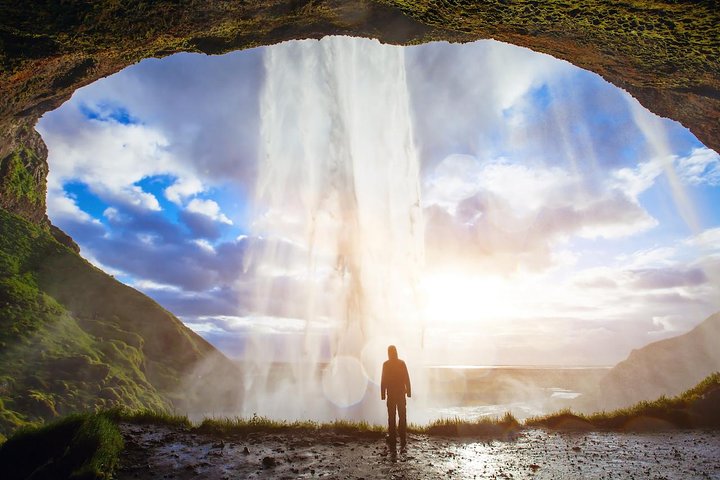
Iceland South Coast Full Day Small-Group Tour
★ 4.8 · 6,610 Viator reviews · Your Day Tours
The winter version of the same small-group day: a heated Sprinter, a driver who reads the ice, the stops reshuffled around the light, and free cancellation up to 24 hours when the weather wins.
- About 10 hours
- Max 19
- Free cancellation up to 24 hours before
Check Live Availability & Prices on Viator →
Affiliate link: if you book through it we may earn a commission at no extra cost to you. How this works.
Not sure which option fits? Answer 3 quick questions
General guidance, no answers needed: the featured small-group day fits most first visits to the South Coast. Pick a month and your priorities for a tailored pick, and confirm dates and restrictions on the listing.
Compare the other options (2)
Each is a separate Viator, GetYourGuide or Expedia booking, not part of the featured day tour.
Katla Ice Cave Under the Volcano, from Vík — Super-jeep from Vík up under Mýrdalsjökull into the ice cave beneath the Katla volcano. ★ 4.7 · 1,193 Viator reviews · From Vík
Northern Lights Small-Group Tour with Hot Chocolate & Photos — A dedicated small-group aurora chase with guides who read the forecast, photos and hot chocolate included. ★ 4.7 · 2,186 Viator reviews · ~4 hours
Winter two-day lane with the blue ice cave, GetYourGuide live calendar
★ 4.7 · 261 GetYourGuide reviews · From Reykjavik: 2-Day South Coast Tour with Blue Ice Cave
Winter dates need the most planning of any season: check your date now, keep the 24-hour window in mind, and stack the ice cave or an aurora evening around it.
Pick your date
Scheduled departure dates from the operator's Viator calendar. Availability for your date and the final price are confirmed on the listing.
Check Live Availability & Prices →The departure calendar could not load just now. Check dates and prices directly on the listing:
Check Dates & Prices on Viator →