What Reynisfjara Black-Sand Beach Is Really Like Up Close
A South Coast guide on standing at Reynisfjara: black sand and basalt underfoot, the sea stacks and troll folklore, the puffins, and the sneaker-wave danger nobody should ignore.
 By Björn Einarsson, Iceland South Coast tour guide and local specialist
Before you read on
The full small-group day gives this beach its longest stop of the day, roughly an hour and a quarter, with a guide who reads the sea. Booking options are at the end of this guide. See the booking options ↓
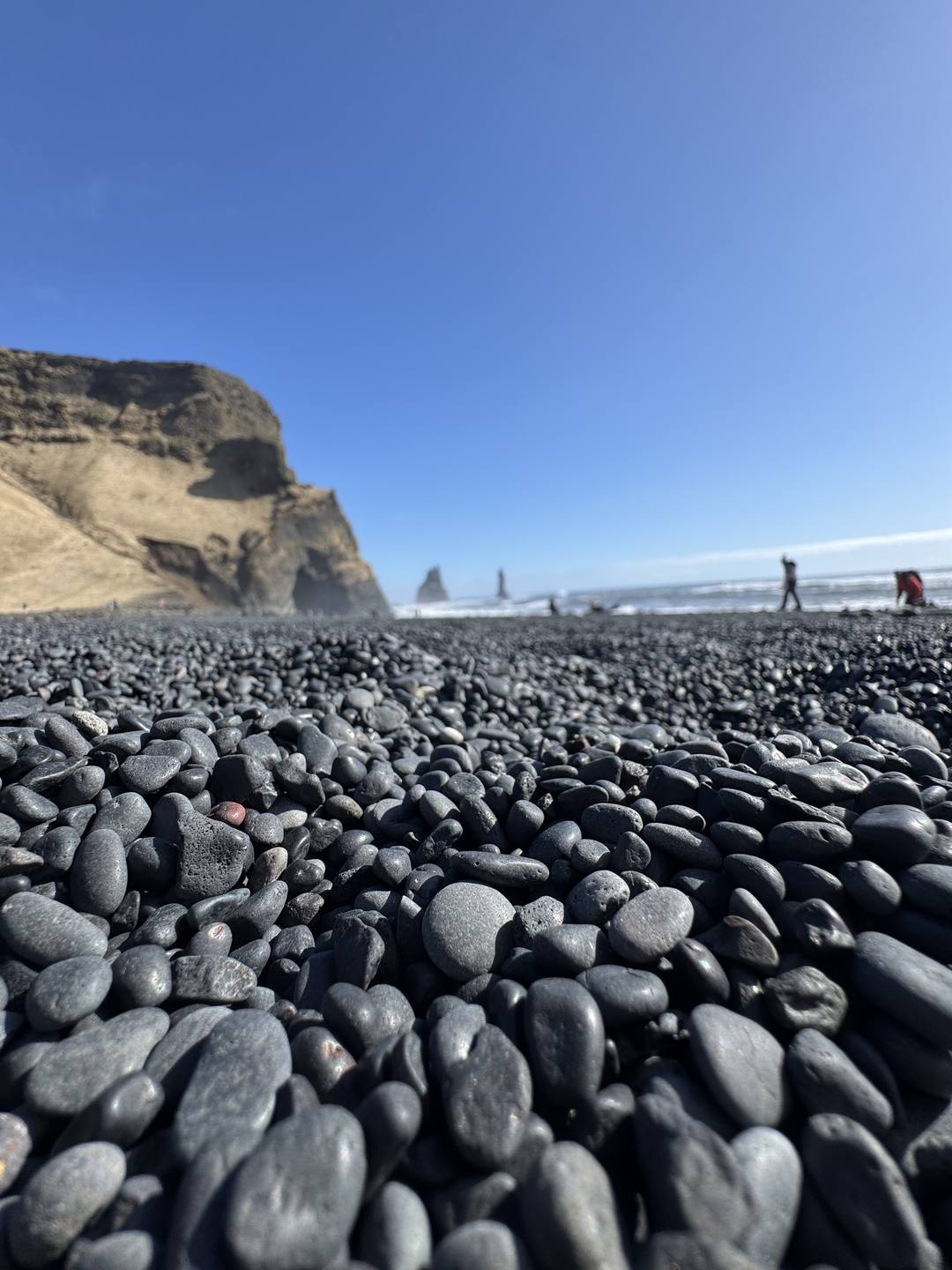
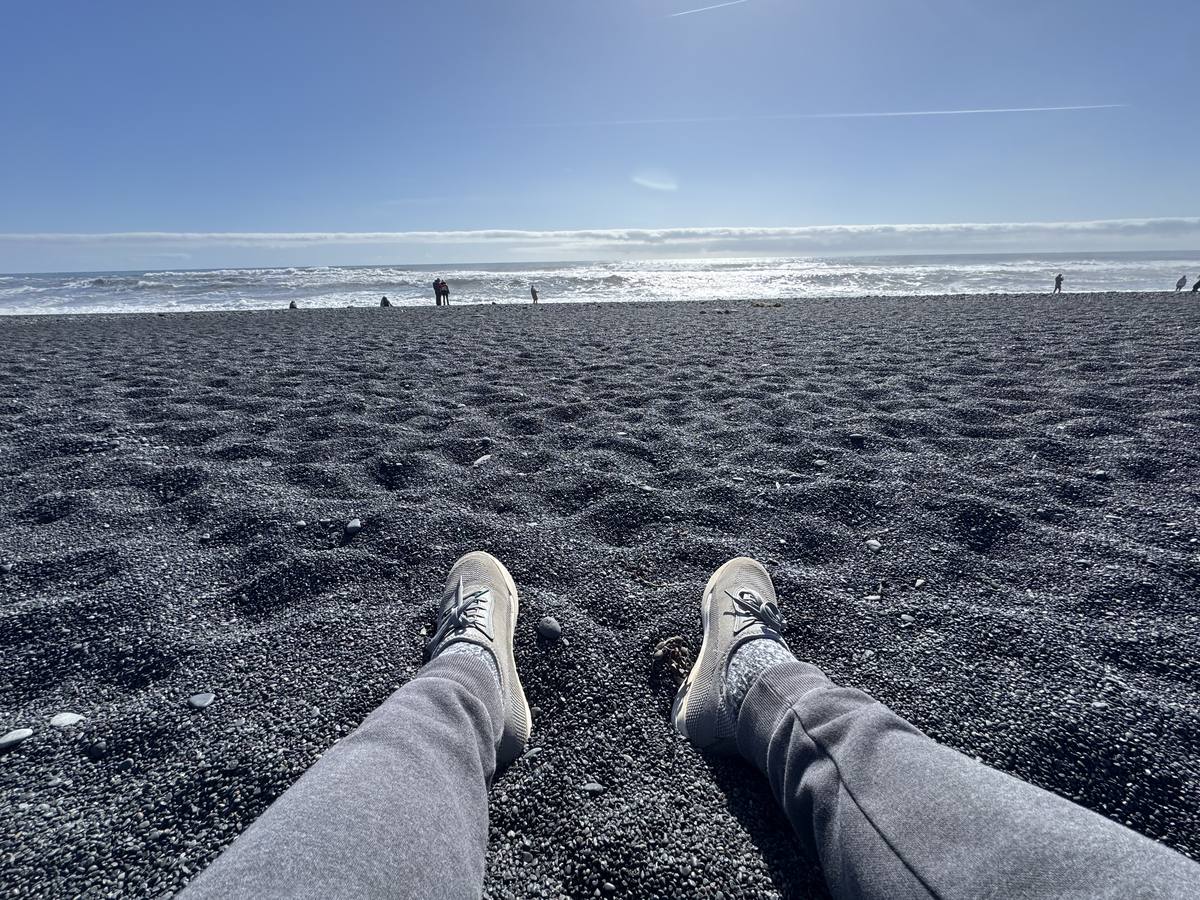
The first thing that gets you at Reynisfjara is the sound. Not the waves, the sand. Every step lands with a soft crunch of ground-down lava, coal-black and fine, and where the tide has worked it over you get a field of pebbles polished into rounded stones that shift under your boots like ball bearings. I have stood on this beach in July sun and in a February gale, and it never once feels ordinary. People come off the minibus, take three steps, and go quiet.
I have guided the South Coast since 2022, and I still think Reynisfjara is the strangest ground in a country full of strange ground. This is what it is actually like to stand on it, and the one thing I will not let you leave without knowing.
What are you actually walking on and looking at here?
Reynisfjara is a beach of jet-black basalt sand backed by a wall of hexagonal basalt columns called Gardar, a shallow cave named Hálsanefshellir, and the Reynisdrangar sea stacks offshore. In summer, puffins nest on the cliffs above. It reads black against grey sea because there is no shell or quartz to lighten it.
The black comes from basalt, the volcanic rock that built this whole coast. There is nothing pale to soften it, so the beach stays jet black against grey sea and white surf. On a bright day the wet sand throws back the sky like a mirror. Bring a cloth for your lens, because the spray carries fine grit and it gets everywhere.
Walk toward the cliff and you reach Gardar, the wall of hexagonal basalt columns stacked like a giant church organ. They formed as thick lava cooled slowly and cracked into six-sided shafts. Some are short enough to sit on, and yes, everyone climbs the lower steps for a photo. That part is fine. Watch your footing on the way down, because the rock is often slick with sea spray. Just behind the columns the cliff opens into a shallow cave, Hálsanefshellir, all the same geometric stone overhead. It is one of the few spots on the beach where you can stand with the sea at a safe distance and just look.
Here is the quick map of what your eye lands on, corner to corner:
| Feature | What it is |
|---|---|
| Black sand | Fine ground-down basalt, jet black, no pale shell or quartz to lighten it |
| Gardar basalt columns | A wall of hexagonal, six-sided lava columns you can sit on at the base |
| Hálsanefshellir cave | A shallow cave in the cliff, roofed with the same geometric stone |
| Reynisdrangar | Black sea stacks standing offshore, tied to the troll legend |
| Puffins | Seasonal nesters on the Reynisfjall clifftops above the beach, summer only |
What are the Reynisdrangar sea stacks, and can you see puffins?
The Reynisdrangar are black basalt sea stacks standing in the water off the point, tied to a legend of two trolls turned to stone by dawn while dragging a ship ashore. Puffins are real too: they nest on the Reynisfjall cliffs above the beach through the summer breeding season, keeping to the higher grassy ledges.
Look out past the surf and you see them, the Reynisdrangar, black shapes standing in the water off the point. The old story says two trolls tried to drag a three-masted ship to shore in the night, and dawn caught them before they finished. Daylight turns trolls to stone, so there they stand, mid-haul, forever. It sounds like a bedtime invention until you are looking at the actual jagged shapes in a grey sea, and then it lands differently.
In late spring and summer the cliffs above come alive with puffins, nesting in the grassy tops and whirring out over the water on those fast little wings. They are seasonal, so a winter visit will not have them, and even in summer they keep to the higher ledges, so a small pair of binoculars earns its place in your bag. If you are still deciding what to pack for a day this exposed, my notes on what to wear for a South Coast day trip cover the wind and the wet, both of which Reynisfjara serves in full.
Why is Reynisfjara so dangerous?
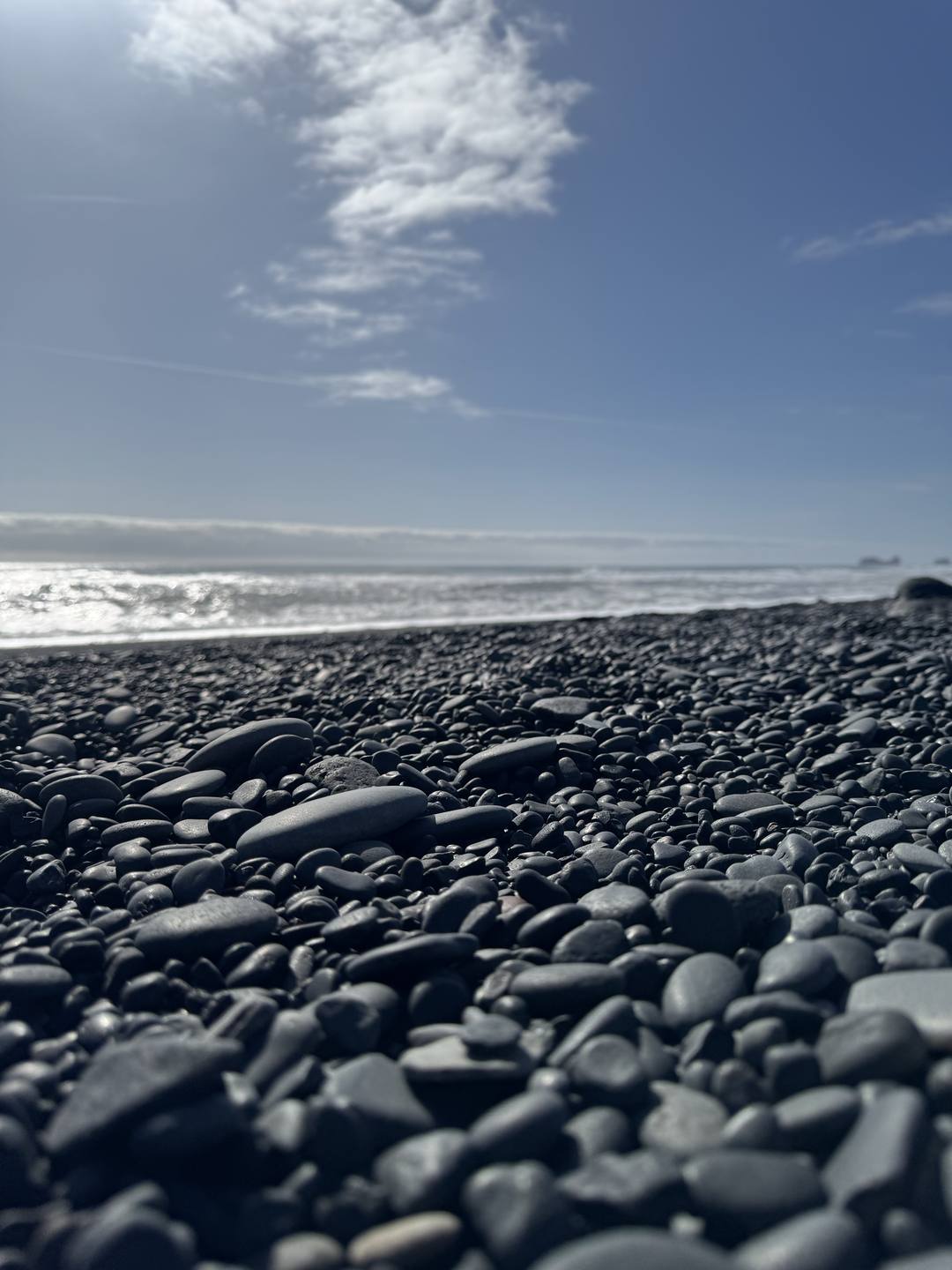
Reynisfjara has sneaker waves: unpredictable surges that rush far up the sand without warning, off a long open Atlantic fetch. The water is bitterly cold, the undertow strong, and the slope drops off fast. People have been swept out and drowned here, at least six recorded deaths since 2013, which is why it demands real caution.
Here is where I stop being your enthusiastic guide and become the person who has watched this beach frighten people. The surf rolls in on a long, open fetch from the Atlantic, and every so often a wave arrives far larger than the ones before it and rushes up the sand much farther and faster than you expect, with no warning. People have been swept off their feet and pulled out to sea, and some have drowned. If you want the plain account of how these waves have killed and why the beach installed its warning system, the danger-and-beauty breakdown of Reynisfjara lays it out. I am not telling you this to sell drama. I am telling you because it is true and the beach gives you no second chance.
So the rules are simple and I mean every word:
| Do | Don't |
|---|---|
| Stay well up the dry sand, back from the surf's reach | Walk down to the waterline for a photo |
| Watch the sea the whole time | Turn your back on the waves |
| Keep children beside you, holding a hand | Let kids run ahead toward the water |
| Admire the sea stacks from the beach | Climb onto wet rock or walk out toward the stacks |
| Check the warning lights before you step out | Assume a calm-looking sea is a safe one |
What do the warning lights at Reynisfjara mean?
A yellow-and-red warning-light system went in during 2022 to signal how far back to stay. Read it like a traffic light: green means conditions are relatively calm, yellow means caution and keep well back, and red means the sea is dangerous and you should stay high on the beach, away from the surf line entirely.
The lights are the single most useful thing to glance at when you arrive, before the view pulls your eyes to the stacks. They read the real conditions on the day, which matter far more than how the surf happens to look in the ten seconds you are watching it.
| Light | What it means |
|---|---|
| Green | Conditions relatively calm, still respect the sea and stay back from the surf |
| Yellow | Caution, waves are unpredictable, keep well up the dry sand |
| Red | Dangerous, stay high on the beach and away from the waterline entirely |
The official picture, including road and weather warnings for the drive out, sits on safetravel.is, and it is worth a look the morning you go. For the fuller reasoning on why this beach behaves the way it does, I wrote a separate breakdown of whether Reynisfjara is safe and how sneaker waves work. The photos are all still there for you from twenty meters back. The line between a great morning and a disaster is exactly that: standing back.
How long do you get at Reynisfjara, and how should you use it?
On the full-day route Reynisfjara gets the longest slot of the day, roughly an hour and fifteen, while most stops run twenty to forty minutes. Spend the first stretch at the columns and cave in good light, then walk the sand well above the surf, then watch the Reynisdrangar and puffins for the last ten minutes.
There is a good reason this stop runs long. You need unhurried time to feel the sand, walk to the columns, watch the sea, and stand back and respect it rather than rush a shot near the water. A guide who knows the beach will point out exactly where the safe line is, one of the quiet reasons a small-group trip beats winging it alone. On our small-group day you ride the South Coast in a Mercedes minibus with a guide reading the sea for you, which at this stop is worth more than it sounds.
Use the cafe by the car park before you wander off, because once you are out on the sand you will not want to walk back early. Then give the columns and cave your first stretch while the light is good, walk the black sand well above the surf line, and save the last ten minutes for the sea stacks and any puffins working the cliffs.
From Reynisfjara the minibus loops the short way to the village of Vík for the lunch stop, and the two places make a natural pair. If you want to know what waits there, I wrote about Vík's red-roofed church and the lunch break separately. And if this is your first South Coast day, the honest primer on what I wish I had known before my own South Coast tour will save you a few small mistakes, the beach safety chief among them. When you are ready to lock in a date, you can always check the live availability and price on Viator directly.
Ready to lock the date? Pick it from the tour's scheduled departure days
Scheduled departure dates from the operator's Viator calendar. Availability for your date and the final price are confirmed on the listing.
Check Live Availability & Prices →The departure calendar could not load just now. Check dates and prices directly on the listing:
Check Dates & Prices on Viator →How long do you get at Reynisfjara on the day tour?
On the full-day route Reynisfjara is the longest single stop, roughly an hour and fifteen minutes. That is enough time to reach the basalt columns and cave, walk the black sand well back from the surf, and watch the sea stacks without rushing.
Is it safe to walk on Reynisfjara beach?
It is, if you respect the sea. The danger is sneaker waves that rush far up the sand without warning, and at least six people have drowned here since 2013. Stay well back from the waterline, watch the warning lights, never turn your back on the sea, do not climb onto wet rock or walk toward the sea stacks, and keep children right beside you.
Can you see puffins at Reynisfjara?
In late spring and summer, yes. Puffins nest on the Reynisfjall cliff tops above the beach and fly out over the water. They are seasonal and keep to the higher ledges, so a small pair of binoculars helps. Winter visits will not have them.
What is the folklore behind the Reynisdrangar sea stacks?
The old Icelandic story says two trolls were dragging a ship to shore at night and were caught by the dawn. Daylight turns trolls to stone, so the stacks are said to be those trolls frozen mid-haul in the sea off the point.
Booking
Book The Day That Gives Reynisfjara Its Longest Stop
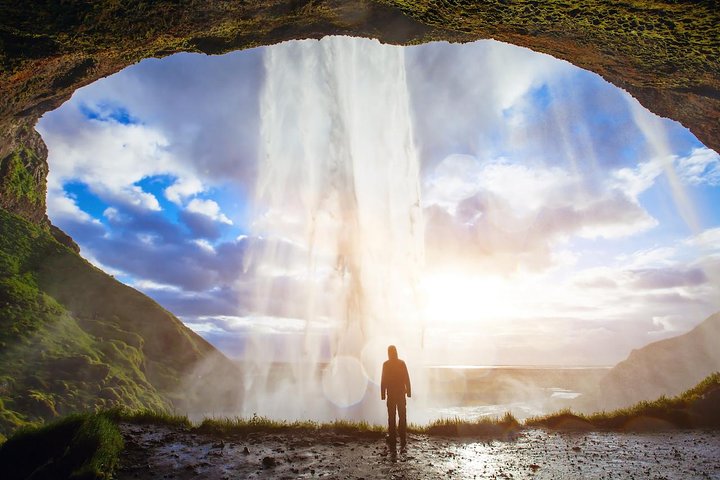
Iceland South Coast Full Day Small-Group Tour
★ 4.8 · 6,610 Viator reviews · Your Day Tours
The small-group day gives this beach its longest stop of the route, roughly an hour and a quarter, with a guide who checks the warning light and sets the safe line before anyone steps off.
- About 10 hours
- Max 19
- Free cancellation up to 24 hours before
Check Live Availability & Prices on Viator →
Affiliate link: if you book through it we may earn a commission at no extra cost to you. How this works.
Not sure which option fits? Answer 3 quick questions
General guidance, no answers needed: the featured small-group day fits most first visits to the South Coast. Pick a month and your priorities for a tailored pick, and confirm dates and restrictions on the listing.
Compare the other options (2)
Each is a separate Viator or Expedia booking, not part of the featured day tour.
Sólheimajökull Small-Group Glacier Hike — Crampons, helmet and a certified guide on the lower tongue of the glacier the day tour only views. ★ 4.8 · 565 Viator reviews · 3-4 hours
Katla Ice Cave Under the Volcano, from Vík — Super-jeep from Vík up under Mýrdalsjökull into the ice cave beneath the Katla volcano. ★ 4.7 · 1,193 Viator reviews · From Vík
Have a travel date in mind? Check availability and the pickup details for your date now, before you build the rest of your Reykjavík days around it.
Pick your date
Scheduled departure dates from the operator's Viator calendar. Availability for your date and the final price are confirmed on the listing.
Check Live Availability & Prices →The departure calendar could not load just now. Check dates and prices directly on the listing:
Check Dates & Prices on Viator →