How to Actually Read a Viator Tour Listing Before You Book
A South Coast guide walks through what to check on any Viator listing before you book: rating and review count together, real group size, the fine print, pickup, cancellation and why the price only shows in the booking flow.
 By Björn Einarsson, Iceland South Coast tour guide and local specialist
Before you read on
The worked example below is the small-group South Coast tour this site features, and you can run every check against its live listing from the booking area at the end. See the booking options ↓
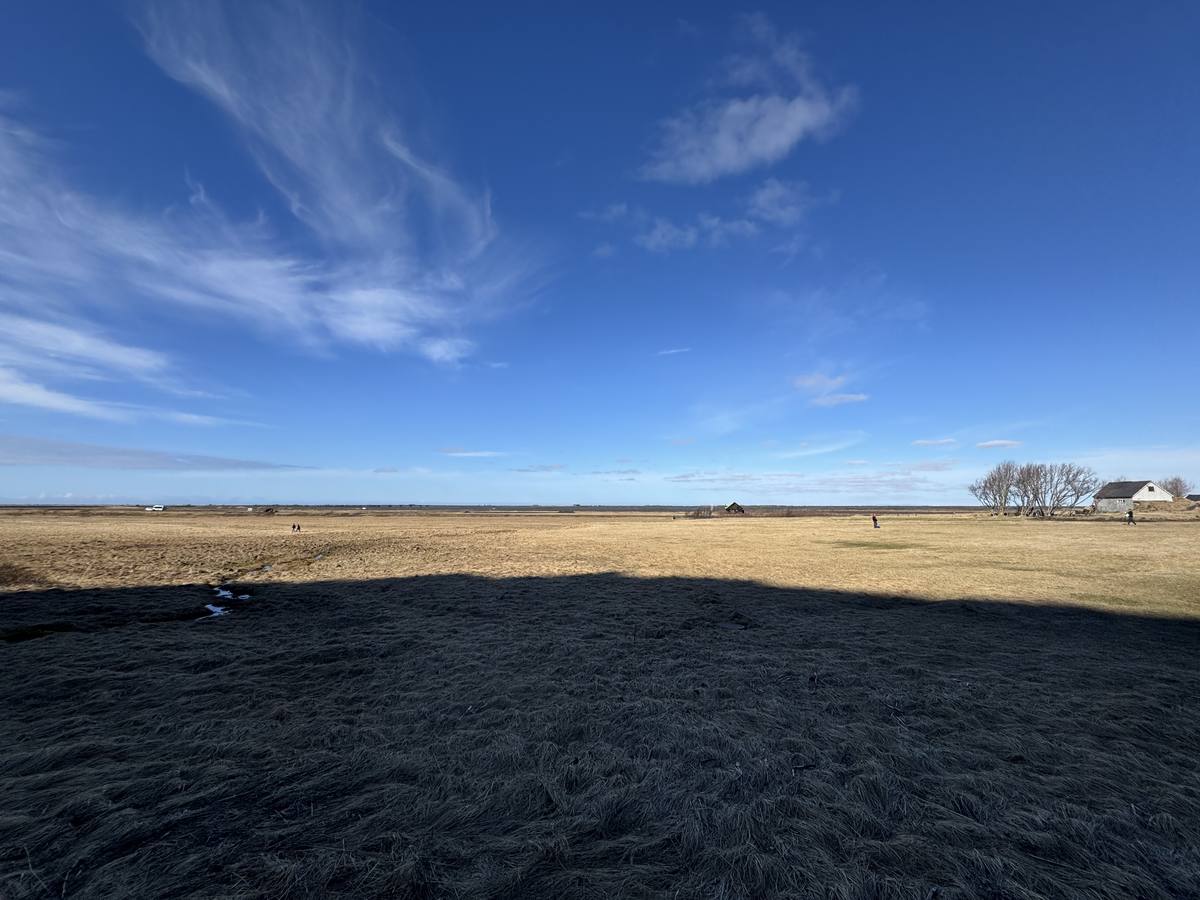
Most people book a day tour the way they book a flight: skim the photos, glance at the star rating, hit reserve. Then they turn up at the wrong pickup spot, expect a lunch that never comes, or wonder why the beach stop felt rushed. Almost all of it is avoidable. A Viator listing tells you exactly what you are buying, if you know which lines to read and which to distrust. I book these tours for the travelers I guide, and I read the same handful of things every time, using the featured small-group South Coast tour here as the worked example.
Does a high star rating actually mean the tour is good?
Not on its own. A rating means little without the review count beside it. Five stars across a dozen reviews is noise; a 4.8 held up by thousands is signal. Read the two numbers together, then check the recommend rate. Volume is what makes an average trustworthy, so weight it first.
The featured tour holds a 4.8 across a current 6,610 reviews on Viator, with a Viator Experience Award attached. That combination is the point: thousands of travelers and a rating that barely dips. A perfect score on a thin listing should make you more cautious, not less, because a handful of friends and one good week produce that too. Here is the whole checklist I run before I trust any listing, and what a red flag looks like on each line.
| Element | What good looks like | Red flag |
|---|---|---|
| Rating + reviews | Strong rating held up by thousands of reviews | Five stars on a dozen reviews |
| Group size | A stated cap, like max 19 | "Small group" with no number |
| Inclusions vs exclusions | A clear "not included" list | Vague or missing exclusions |
| Pickup | Named pickup points and clear rules | No pickup detail, or "we will confirm later" |
| Cancellation | A stated free-cancellation window | No refund terms, or unclear ones |
| Price | Live price shown in the booking flow by date | A fixed figure you cannot verify for your date |
What does "small group" really mean on a listing?
"Small group" is marketing until a number backs it. Scroll to the fine print and find the maximum group size. This tour caps at 19 people in a Mercedes-Benz Sprinter minibus, against a full-size coach carrying fifty-plus. The cap decides how much real time you get at each stop, not just how much elbow room.
The difference is time on the ground, not comfort. A group of 19 loads, parks and unloads fast, so you get more actual minutes at each waterfall and beach. Fifty people spend longer at every transition, and across five stops those minutes bleed away. If a listing uses the phrase "small group" but never states a cap, treat the words as decoration and go looking for the number yourself.
Which matters more, the inclusions or the exclusions?
The exclusions, because that is where refunds and arguments start. The included list is easy to skim; the "not included" list is where lunch, entry fees and the glacier ice-walk hide. Read the exclusions like a contract, since most disappointed reviews trace back to someone who read the inclusions and simply assumed the rest.
On this tour the included half is straightforward: the minibus, an English-speaking guide, WiFi on board, and downtown pickup. Every stop on the route, the waterfalls, the glacier viewpoint, the black beach, is free to enter, so no hidden gate fee waits for you. The half people skip is what is left out. Lunch is a stop in Vík where you buy your own food. The glacier ice-walk is separate too: standing at the Sólheimajökull viewpoint is part of the day, but walking on the ice needs crampons and a certified guide and is booked on its own. Here is how this specific listing splits.
| Included | Not included |
|---|---|
| Mercedes-Benz Sprinter minibus transport | Lunch (buy your own in Vík) |
| English-speaking guide | Glacier ice-walk (separate add-on, crampons + certified guide) |
| WiFi on board | Personal spending and snacks |
| Designated downtown Reykjavík pickup | Apartment, suburban-hotel or airport pickup |
| Entry to every stop (all free) | Any optional activity booked on the day |
What is the one listing line that catches people out?
Pickup. Read it slowly on every listing. This tour collects from designated bus stops in downtown Reykjavík only, not your apartment door, not a suburban hotel, and not Keflavík Airport. Cruise passengers meet at the Skarfabakki terminal. Once the bus rolls south there is no fixing a no-show, so plan your morning around that line.
Staying centrally, you walk to your assigned stop; staying further out, you build in a taxi or an early bus into the center with margin to spare. Every operator handles this differently, which is exactly why you read the line rather than assume it works like the last tour you booked. This is the single detail I double-check for every traveler I send south, because it is the one that turns an easy morning into a missed departure.
Why should I check the cancellation policy before booking?
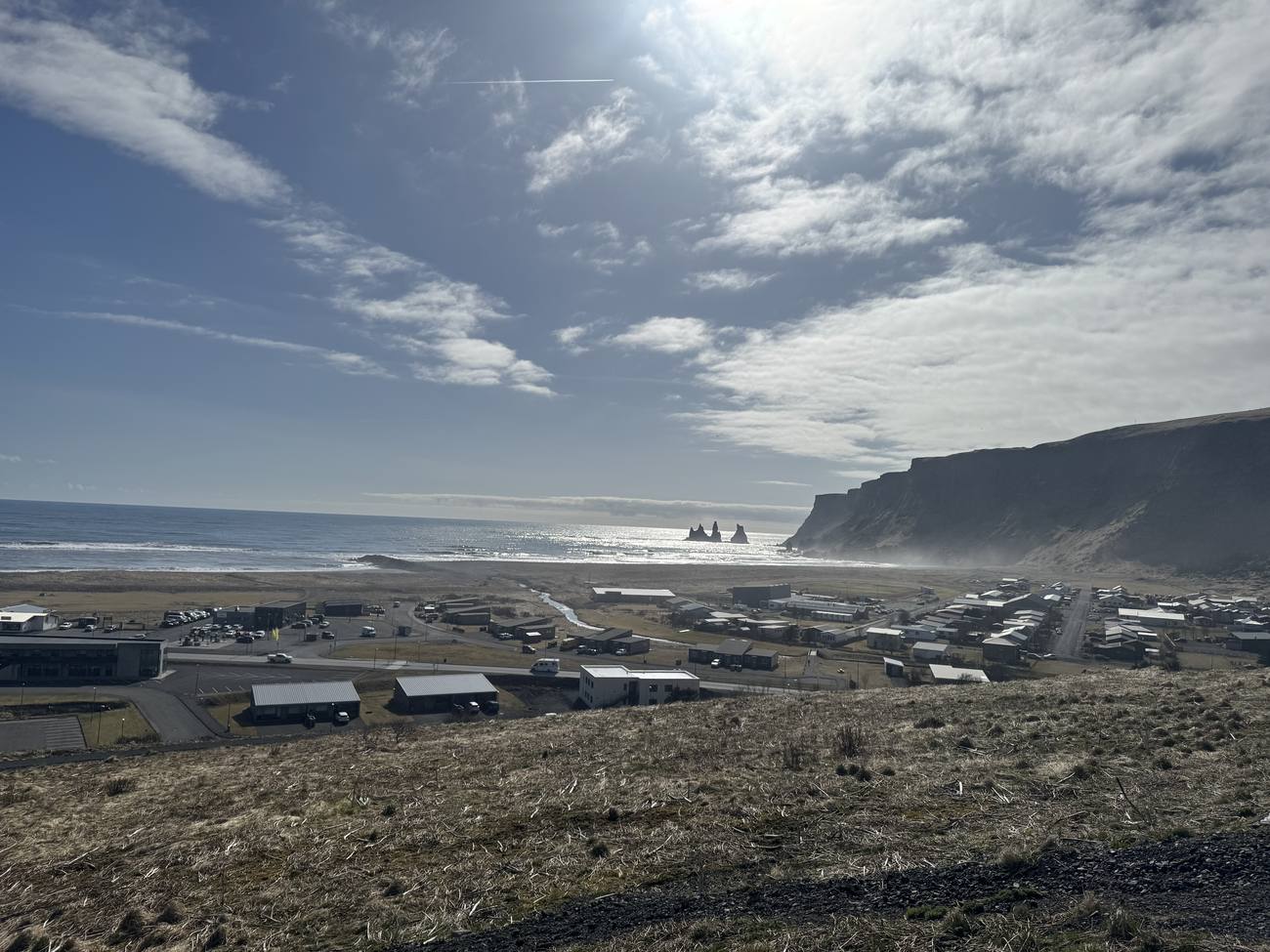
Because in Iceland the weather decides your day, and the policy is real money, not boilerplate. This listing offers free cancellation up to 24 hours before the start time. That window lets you rebook when a forecast turns grim rather than eat the cost. Between two similar tours, the one with honest terms is usually the one to trust.
A promising morning can go grey fast on the South Coast, and a flexible policy is what lets you move rather than lose the booking. When I weigh two comparable tours for someone, cancellation terms often break the tie. To see how the terms and the day stack up against the money, I laid that out in is the South Coast tour worth it.
Why does the listing not show a fixed price?
Because Viator prices move with your travel date, currency and demand, so the real number only appears once you pick a date in the booking flow. A figure quoted in a Google snippet or an old blog post is a different season, a different currency, or simply out of date. Ignore it, and trust only the live one for the date you actually want.
This is the part that confuses people most, and it is worth sitting with. There is no single price stamped on the listing because there cannot be one; the number is built from when you go and where you pay from. When you are ready, you can check the live dates and price on Viator, where availability stays current. To understand what drives that number up or down first, I broke down what a South Coast day trip costs.
See how the price flow works: pick a scheduled date, and the listing opens with the live figure
Scheduled departure dates from the operator's Viator calendar. Availability for your date and the final price are confirmed on the listing.
Check Live Availability & Prices →The departure calendar could not load just now. Check dates and prices directly on the listing:
Check Dates & Prices on Viator →How should I read the reviews once the tour clears the checks?
Read for repetition, not the loudest single voice. One furious review about a rainy day tells you the weather was bad, not that the tour is bad. Look for themes that recur across many reviews, and weigh the honest critical minority too. A listing with only glowing reviews and nothing critical is the one to question.
On this tour the praise clusters hard: spectacular scenery across the waterfalls, glacier and black beach; guides who are knowledgeable, friendly and often funny; a well-organized day; and guides who rearrange stops around the weather. The critical minority is honest and worth weighing. A few mention long stretches in the vehicle, which is simply true, since Vík is about 187 km from Reykjavík and the day involves real driving. I put the numbers in the Reykjavík to Vík drive time guide. Others mention an occasional guide who did not engage them, or weather that hid the views. None of that is a red flag; it is the normal texture of a long, weather-dependent day. Here is how I read what the review page is actually saying.
| Signal | What it tells you |
|---|---|
| Repeated praise for the guides | Guiding quality is consistent, not a lucky draw |
| Many mentions of the scenery and waterfalls | The sightseeing delivers what the photos promise |
| "Long time in the vehicle" recurring | Real driving distance; set your expectations for it |
| One furious one-off review | Usually a bad-weather day, not the tour itself |
| Only glowing reviews, nothing critical | Be cautious; the feedback may be thin or filtered |
Put those habits together and you stop booking blind. You will know the group size, what is and is not included, where the bus meets you, how the money and cancellation work, and what real travelers keep saying. Notice that none of this needs an outside source: every fact above lives on the listing itself, which is where you verify it, on the page for the date you want rather than in some third-party quote. To line up more than one option side by side first, the comparison page does exactly that. Read the listing properly once, and the day holds no nasty surprises.
Why does the Viator listing not show a fixed price?
Viator prices vary by travel date, currency and demand, so the live price only appears once you select a date in the booking flow. A number you saw in a search snippet or an older article is likely a different season, currency or out of date. Only the figure on the operator's Viator page for your chosen date is reliable.
What does "small group" mean on this tour?
It is capped at 19 people in a Mercedes-Benz Sprinter minibus, versus a fifty-plus-seat coach. A smaller group loads and unloads faster, which gives you more actual time at each stop across the day.
Is lunch included?
No. Lunch is a stop in Vík where you buy your own food. Every sightseeing stop on the route is free to enter, but meals and the optional glacier ice-walk are not included in the tour.
Where does the tour pick me up?
From designated downtown Reykjavík bus stops only, not private apartments, suburban hotels or Keflavík Airport. Cruise passengers are collected at the Skarfabakki terminal. Check your assigned stop and arrive early.
Booking
Check The Worked-Example Listing Yourself

Iceland South Coast Full Day Small-Group Tour
★ 4.8 · 6,610 Viator reviews · Your Day Tours
The worked example throughout this guide: a 4.8 across a current 6,610 reviews, a stated cap of nineteen, a clear not-included list and a 24-hour free-cancellation window you can verify line by line.
- About 10 hours
- Max 19
- Free cancellation up to 24 hours before
Check Live Availability & Prices on Viator →
Affiliate link: if you book through it we may earn a commission at no extra cost to you. How this works.
Not sure which option fits? Answer 3 quick questions
General guidance, no answers needed: the featured small-group day fits most first visits to the South Coast. Pick a month and your priorities for a tailored pick, and confirm dates and restrictions on the listing.
Compare the other options (2)
Each is a separate Viator or Expedia booking, not part of the featured day tour.
Private South Coast Tour from Reykjavik — The same coast with the vehicle and guide to yourselves, up to six travellers, infant seats available. ★ 5 · 21 Viator reviews · Up to 6
Sólheimajökull Small-Group Glacier Hike — Crampons, helmet and a certified guide on the lower tongue of the glacier the day tour only views. ★ 4.8 · 565 Viator reviews · 3-4 hours
Read the listing with your own date in the booking flow: that is the only version of the price and the pickup details that is current.
Pick your date
Scheduled departure dates from the operator's Viator calendar. Availability for your date and the final price are confirmed on the listing.
Check Live Availability & Prices →The departure calendar could not load just now. Check dates and prices directly on the listing:
Check Dates & Prices on Viator →